

C$20B Tariff War: US Moves to Ban Canadian Dairy, Motorcycles, Alcohol
North America woke up to a sharper trade conflict today. Washington announced a ban on Canadian dairy, motorcycles and most alcoholic beverages after Ottawa moved first with C$20 billion in retaliatory tariffs (FT, Sep 9). Separately, a California heat wave is threatening grid reliability, and Target has been downgraded — three stories with ripple effects for trade-sensitive assets, power markets and consumer discretionary stocks.
1. US Moves to Ban Canadian dairy, motorcycles and most alcoholic beverages
What happened: After Canada imposed C$20 billion in retaliatory tariffs on US goods, the United States announced it would ban imports of Canadian dairy products, motorcycles and the majority of alcoholic beverages (FT, Sep 9). The escalation moves the bilateral dispute deep into consumer staples and light vehicles.
Why it matters: Trade action has spread beyond industrial metals into food, beverage and transport equipment. Cross-border dairy and alcohol supply chains face potential disruption, while motorcycle and auto-related trade routes may need to be re-charted. If Canada responds with further measures, the uncertainty could pressure short-cycle manufacturing sectors and add to input-cost anxiety on both sides of the border.
Affected assets: The Canadian dollar may remain sensitive to headline risk in USD/CAD. Canadian exporters of dairy, motorcycle parts and alcoholic beverages could face U.S. market access loss, while U.S. hospitality and grocery businesses that rely on Canadian product lines may see supply and margin pressure. further retaliatory rounds would likely increase volatility in agricultural and beverage import/export pricing.
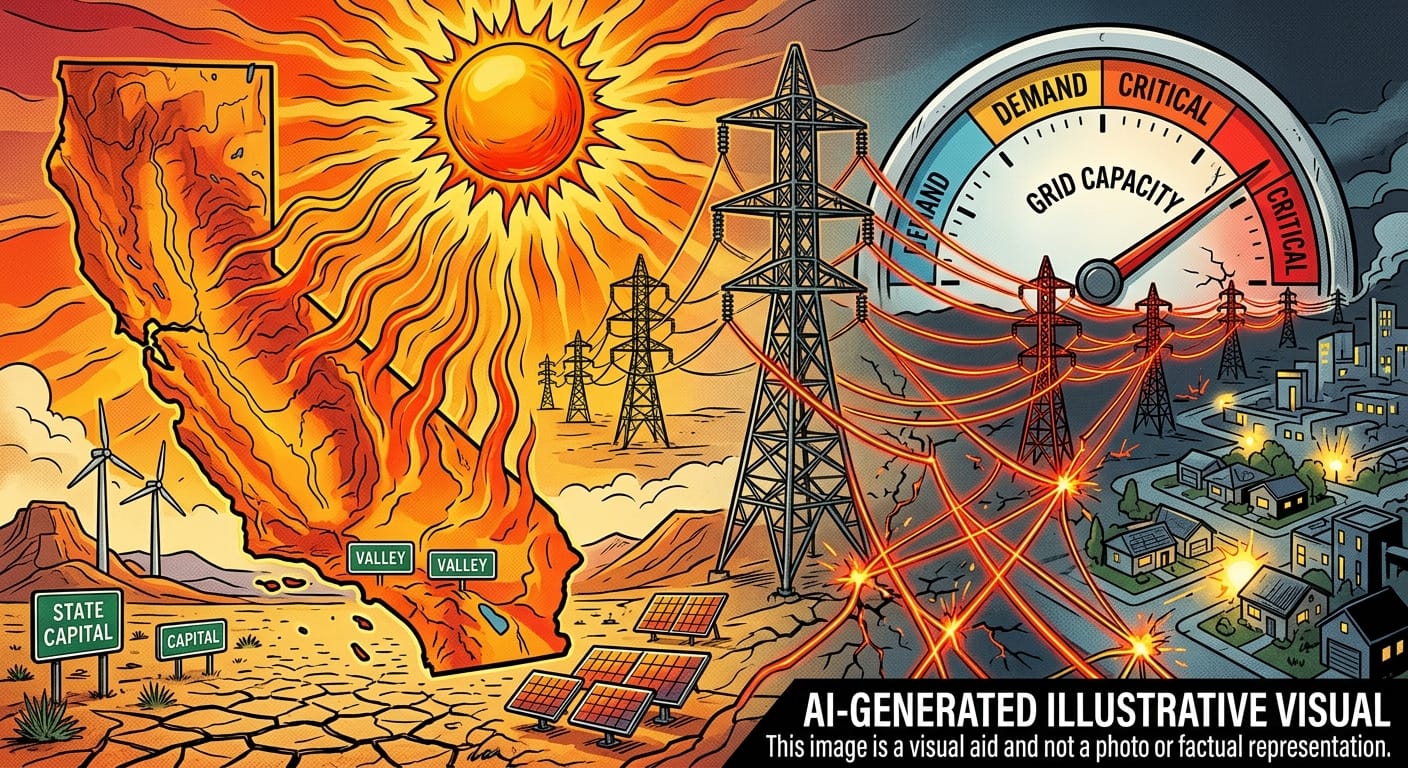
2. California heat wave strains grid reliability
What happened: A heat wave is lifting electricity demand across California, with cooling needs over the coming days expected to seriously test the state’s power supply (OilPrice.com, Sep 9). Grid operators are watching peak load projections closely.
Why it matters: Surging cooling demand raises the risk of tight supply, higher wholesale electricity prices and greater natural gas consumption for power generation. It also adds a seasonal physical stress test for an economy that is increasingly dependent on electrification, from commercial refrigeration to data-center cooling. Potential emergency measures would ripple into industrial and commercial energy budgets.
Affected assets: California wholesale power prices and Western natural gas hubs may stay elevated during the heat event. Utilities and independent power producers in the region could see volatility in their shares. prolonged heat increases the odds of emergency grid protocols, which would temporarily boost demand for natural gas and possibly push next-day power contracts higher.
3.Target downgraded on industry consolidation and earnings uncertainty
What happened: Target was downgraded by analysts, who flagged mounting pressure from industry consolidation and uncertainty around the company’s earnings outlook (Seeking Alpha, Sep 9).
Why it matters: Target’s trajectory is a useful lens on U.S. discretionary spending and competitive dynamics in mass retail. With consolidation reshaping the sector, scale advantages and pricing power become more important. An earnings uncertainty signal from a large retailer can influence expectations across consumer-facing supply chains and, by extension, broader growth sentiment.
Affected assets: TGT shares may face continued pressure until earnings visibility improves. Broader retail and consumer-discretionary exchange-traded funds could feel sentiment spillover. if future financial updates do not demonstrate stabilizing margins, the risk-reward for TGT holders may stay unfavorable until market share or cost trends become clearer.
---
Sources: Financial Times (Sep 9); OilPrice.com (Sep 9); Seeking Alpha (Sep 9).
This article was drafted with AI assistance and reviewed by the Yocobe editorial team.
Disclaimer: For informational and educational purposes only. Not investment advice. Past performance does not indicate future results. The author may hold positions in securities mentioned. Verify all data with primary sources before making any decision.